
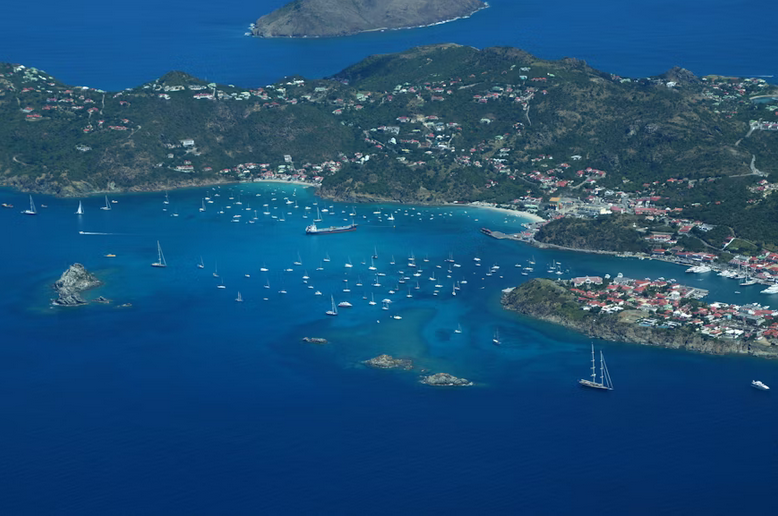
The Caribbean is often spoken about as if it’s one place with one vibe: turquoise water, white sand, and a laid-back rhythm. Spend any real time there, though, and that idea falls apart quickly. Island to island, the Caribbean shifts in language, flavor, architecture, music, and even mood. Crossing the region can feel less like hopping between neighboring islands and more like moving between continents connected by water. That diversity is what makes the Caribbean endlessly fascinating and impossible to define with a single story.
Languages That Change the Sound of the Islands
One of the first clues that the Caribbean isn’t a single world is how it sounds. English, Spanish, French, Dutch, and Creole languages coexist across a relatively small stretch of sea. Jamaica’s patois carries a different rhythm than the lyrical French spoken in Martinique or the rapid Spanish of the Dominican Republic. Travelers planning multi-island trips often notice how these differences shape everything from local humor to social customs, which is why working with the Best Sandals Resorts Travel Agent can help match not just a resort, but the cultural atmosphere that fits your travel style.
Landscapes That Feel Worlds Apart
Geography plays its own trick on perception. Some islands are dry and desert-like, with cactus-lined roads and dusty hills that feel closer to parts of Mexico or North Africa. Others are lush and mountainous, with rainforests, waterfalls, and misty peaks that resemble Central America or Southeast Asia. Then there are flat coral islands where the sea seems to swallow the horizon. All of this exists within a few hundred miles, reinforcing the sense that the Caribbean is many environments sharing one ocean.
Food Rooted in Global Journeys
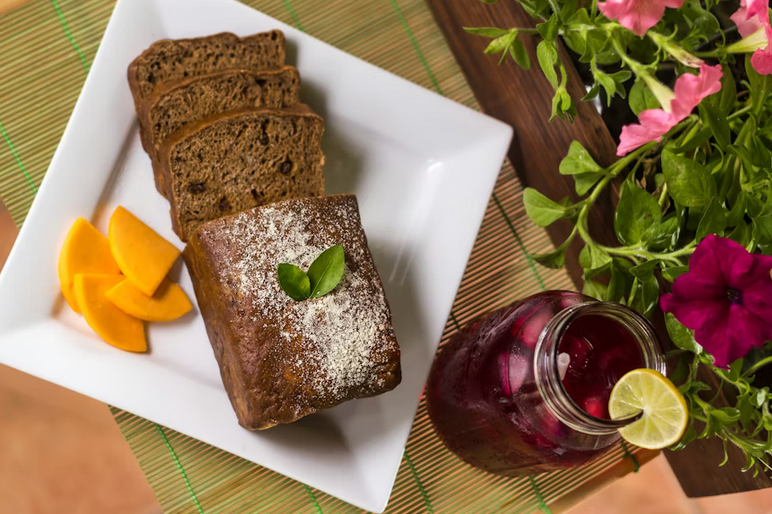
Caribbean cuisine tells the story of migration, trade, and survival. African cooking techniques blend with Indigenous ingredients, European traditions, and Asian spices. A single day of eating could include Jamaican jerk, Trinidadian doubles, Puerto Rican mofongo, and Dutch-influenced pastries. Each island’s food reflects who passed through, who stayed, and what grew locally. Eating your way through the Caribbean can feel like tasting multiple continents without ever leaving the region.
Music and Rhythm as Cultural Maps
Music might be the most emotional marker of the Caribbean’s diversity. Reggae, salsa, calypso, zouk, soca, and bachata all originate from different cultural crossroads. Even when the tempo feels familiar, the meaning behind the music shifts. Some styles are rooted in resistance and history, others in celebration and storytelling. Walk through different islands, and you’ll feel how music shapes daily life, from street corners to festivals, acting as a cultural compass for each place.
History That Left Visible Layers
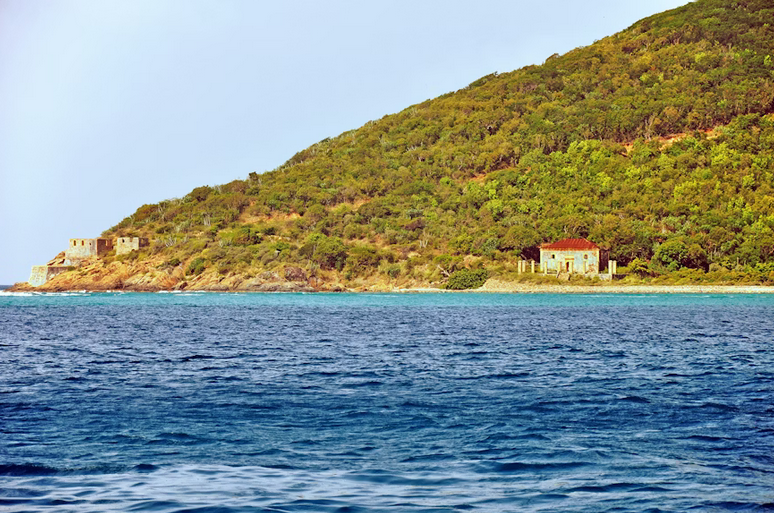
Colonial powers, enslaved peoples, and independence movements have left visible layers across the Caribbean. Forts, plantations, colorful townhouses, and modern cities often sit side by side. Some islands feel distinctly European in layout, while others feel deeply African or Indigenous in spirit. These historical layers explain why neighboring islands can feel emotionally and culturally distant despite their proximity. The Caribbean isn’t a single destination; it’s a mosaic of worlds connected by saltwater and trade winds. Its languages, landscapes, food, music, and history combine to create a region that feels far bigger than it looks on a map. That’s the magic of the Caribbean: one sea, many worlds, and always another story waiting just beyond the horizon.…